 3DPrinterOS
A new 3D printer and a campus to serve
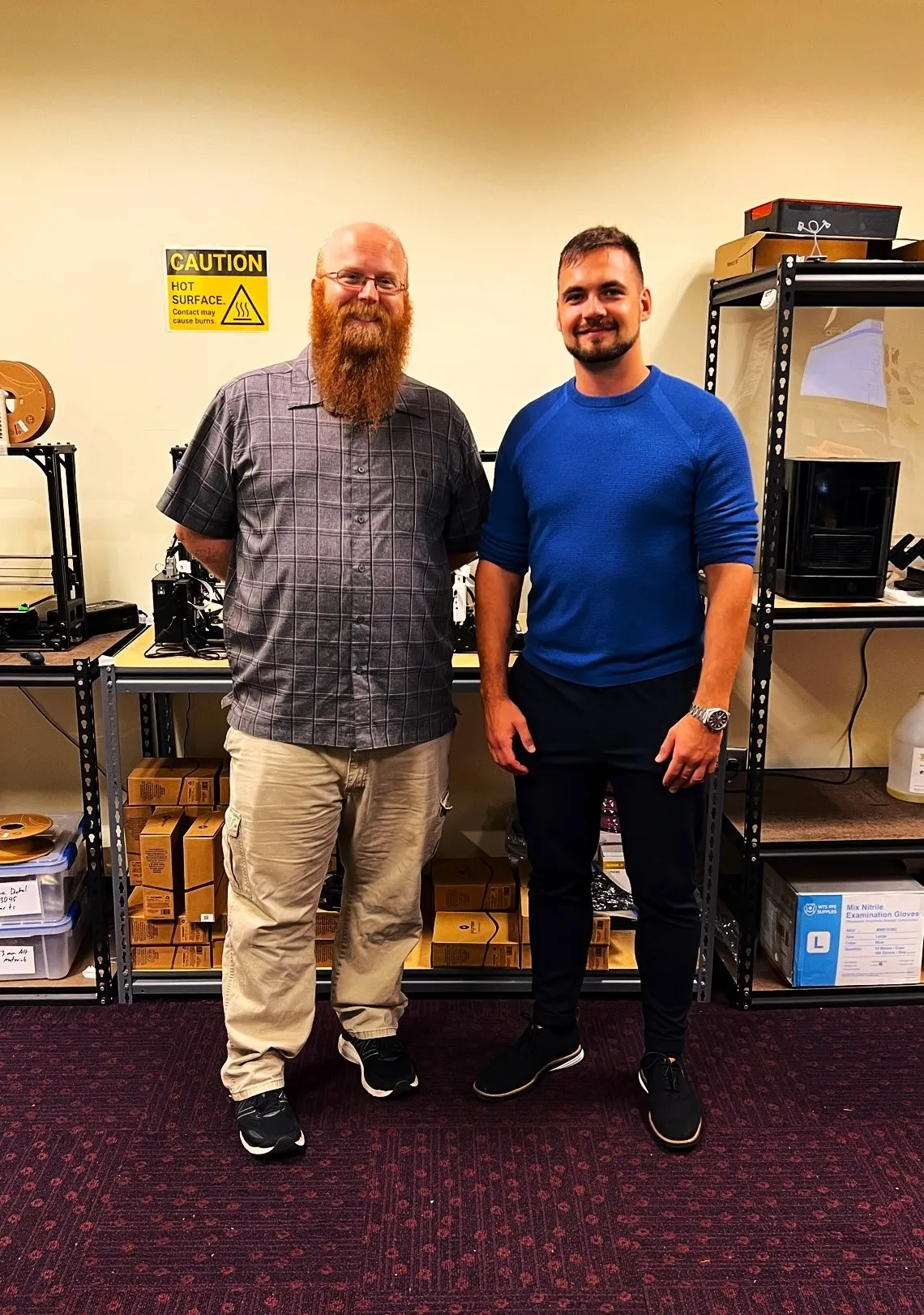
Robin Horton is part of Emory’s Student Digital Life team, working where, in his words, “students, spaces, and technology come together.” When the university acquired a 3D printer in 2016, still a novelty at many academic institutions, he was tasked with making it work seamlessly for the whole university community.
The goal was to make 3D printing accessible and efficient for everyone, including students who think “I don’t do tech.” Other platforms Robin looked at were limited by compatibility constraints.
A web-based platform anyone can use
3DPrinterOS stood out because it is web-based: users can start printing regardless of their computer specifications, without specialized equipment or software. Robin has seen how it reduces the barrier to getting a new 3D printer up and running, and slicer updates are handled automatically through cloud slicing.
With single sign-on, students and staff submit designs, track print status and even adjust settings remotely. The intuitive interface removes the intimidation factor for students who are hesitant about technology.
From one printer to 7,000+ hours a year
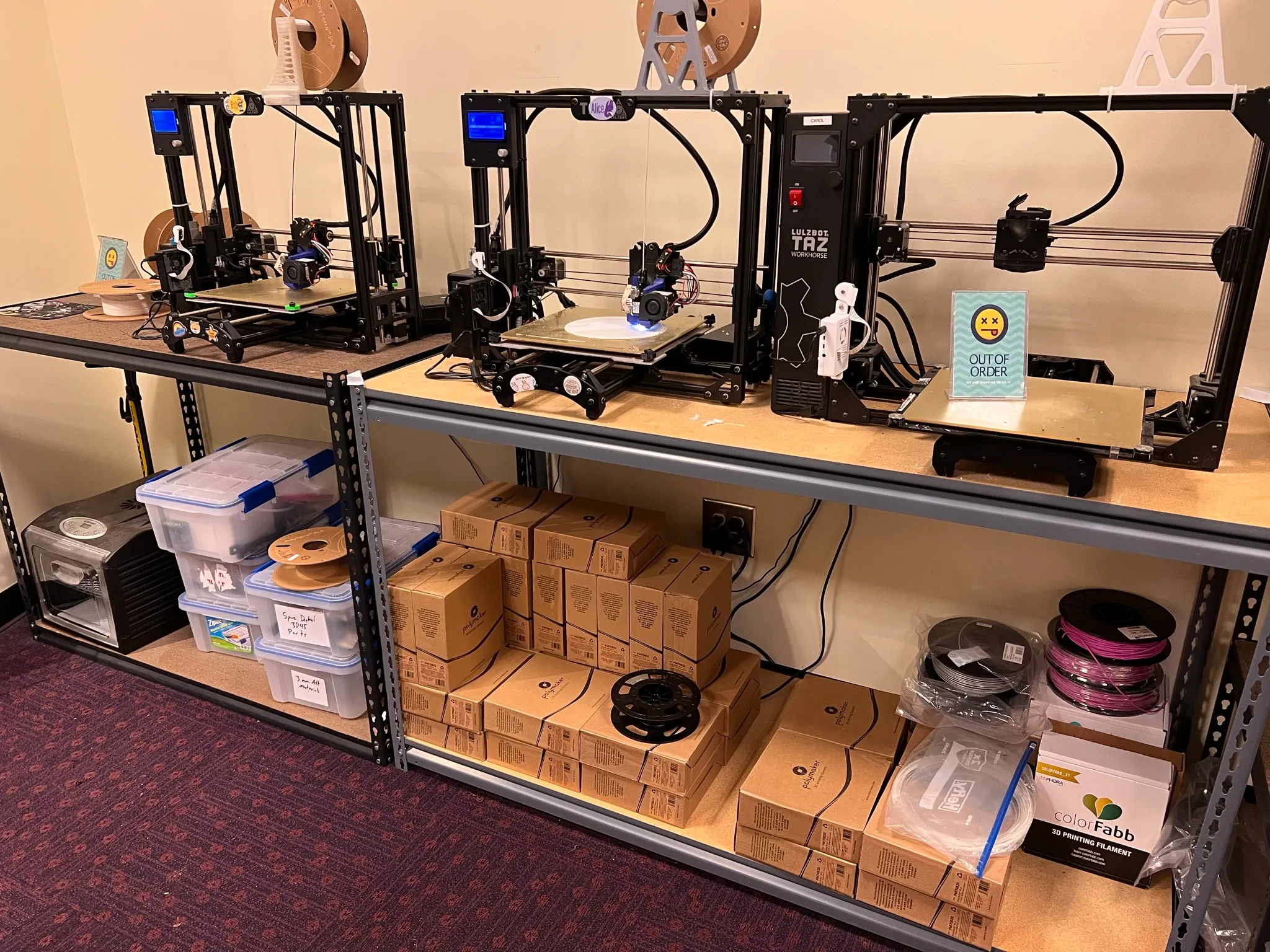
The makerspace grew from a single printer to a fleet of 11 connected 3D printers: 7 Dremel 3D45s, 2 Lulzbot Taz 5s and 1 Lulzbot Workhorse. Printing grew from a few hundred hours in the first semester to over 7,000 hours per academic year.
Robin has used the 3DPrinterOS activity logs since day one, tracking not only successes but failed, canceled and restarted jobs to guide decisions. The platform also supported projects such as a Saturn V rocket replica for an exhibit of digitized NASA materials, and English students designing their own board games for a storytelling class.