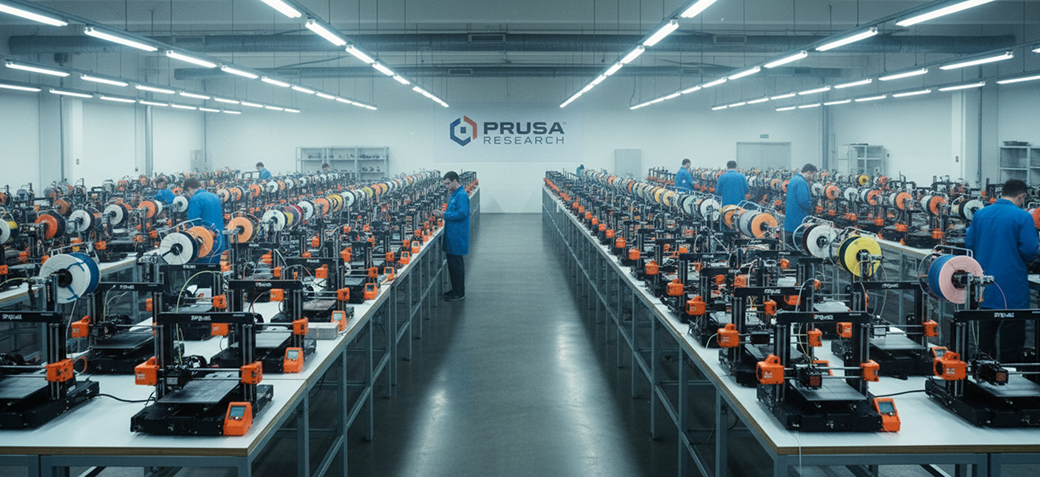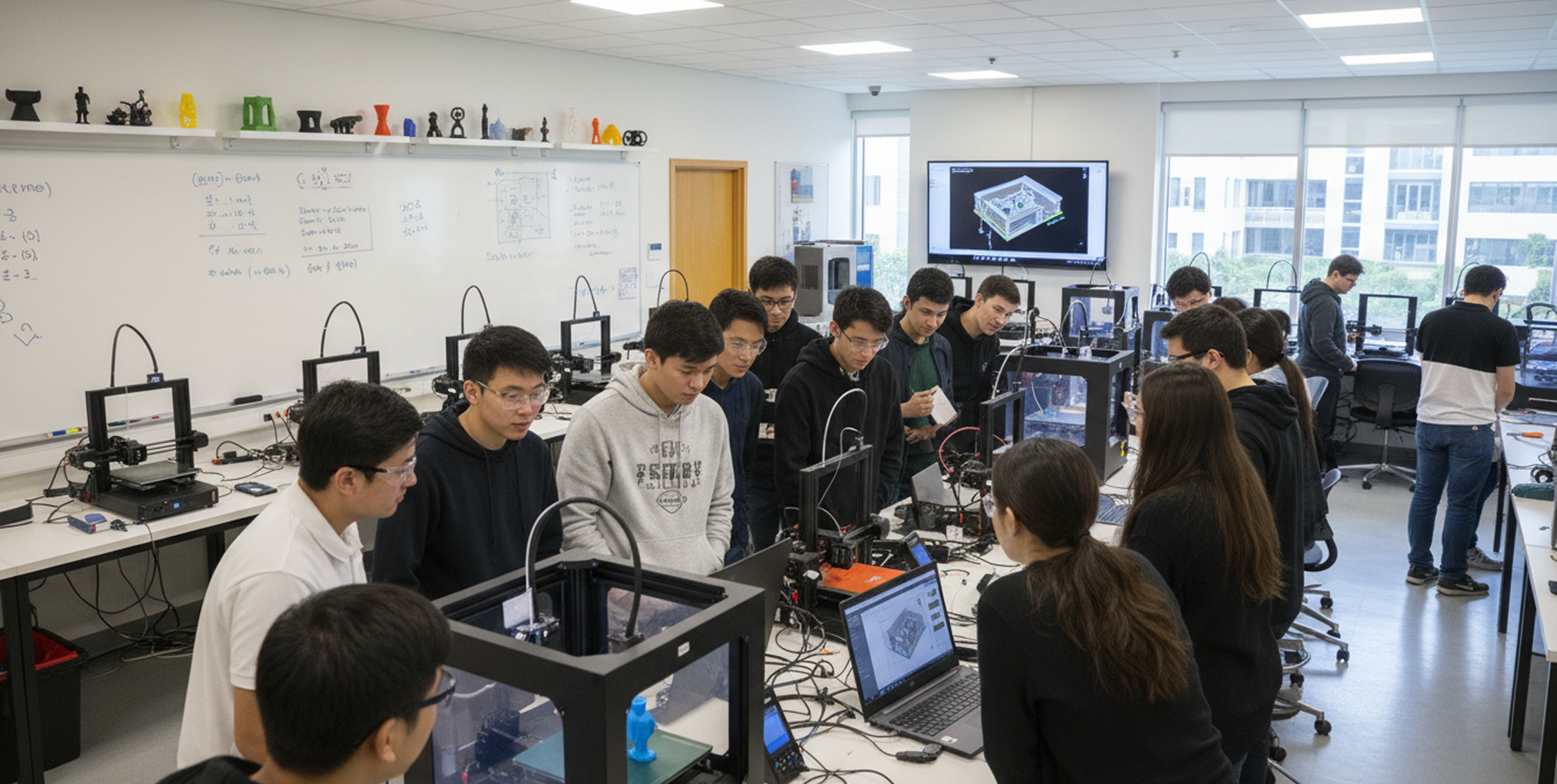



Slicing is one of the most important steps in the 3D printing workflow because it determines how a digital model is converted into instructions for the printer. In cloud-based environments where multiple users and printers are involved, optimizing slicing settings becomes even more critical to ensure consistency, reliability, and efficiency.
Poor slicing configurations can lead to failed prints, weak structures, or excessive material usage. This is why understanding how to optimize slicing settings for cloud printing is essential for any organization operating at scale.
Why Slicing Matters in Cloud Printing
In cloud environments, multiple users may submit jobs from different locations and devices. Without standardized slicing settings, results can vary significantly between prints. This inconsistency can lead to unpredictable outcomes and reduced print success rates.
Optimized slicing ensures that every job follows a consistent set of rules, improving reliability across the entire printing system.
Key Slicing Parameters That Affect Output
Slicing involves multiple parameters that directly influence print quality and efficiency. These include layer height, infill density, print speed, and support structures. Each parameter must be carefully adjusted based on the requirements of the model and the capabilities of the printer.
In a cloud environment, these settings can be standardized or customized depending on user roles and project requirements.
Using Cloud Tools to Improve Slicing Accuracy
Cloud-based 3D printing platforms provide tools that allow users to visualize, adjust, and validate slicing settings before printing. This reduces the risk of errors and ensures that models are properly prepared for production.
Some platforms also include automated repair features that fix geometry issues before slicing begins, preventing failed prints caused by corrupted or incomplete models.
Improving Efficiency Through Standardization
Standardizing slicing profiles across teams helps ensure consistency and reduces the learning curve for new users. It also allows organizations to optimize material usage and improve overall efficiency.
By maintaining controlled slicing environments, organizations can achieve more predictable and reliable results.
Conclusion
Optimizing slicing settings for cloud printing is essential for maintaining high-quality output and operational efficiency. With the right tools and standardized workflows, organizations can significantly improve print success rates and reduce waste across their entire 3D printing ecosystem.