


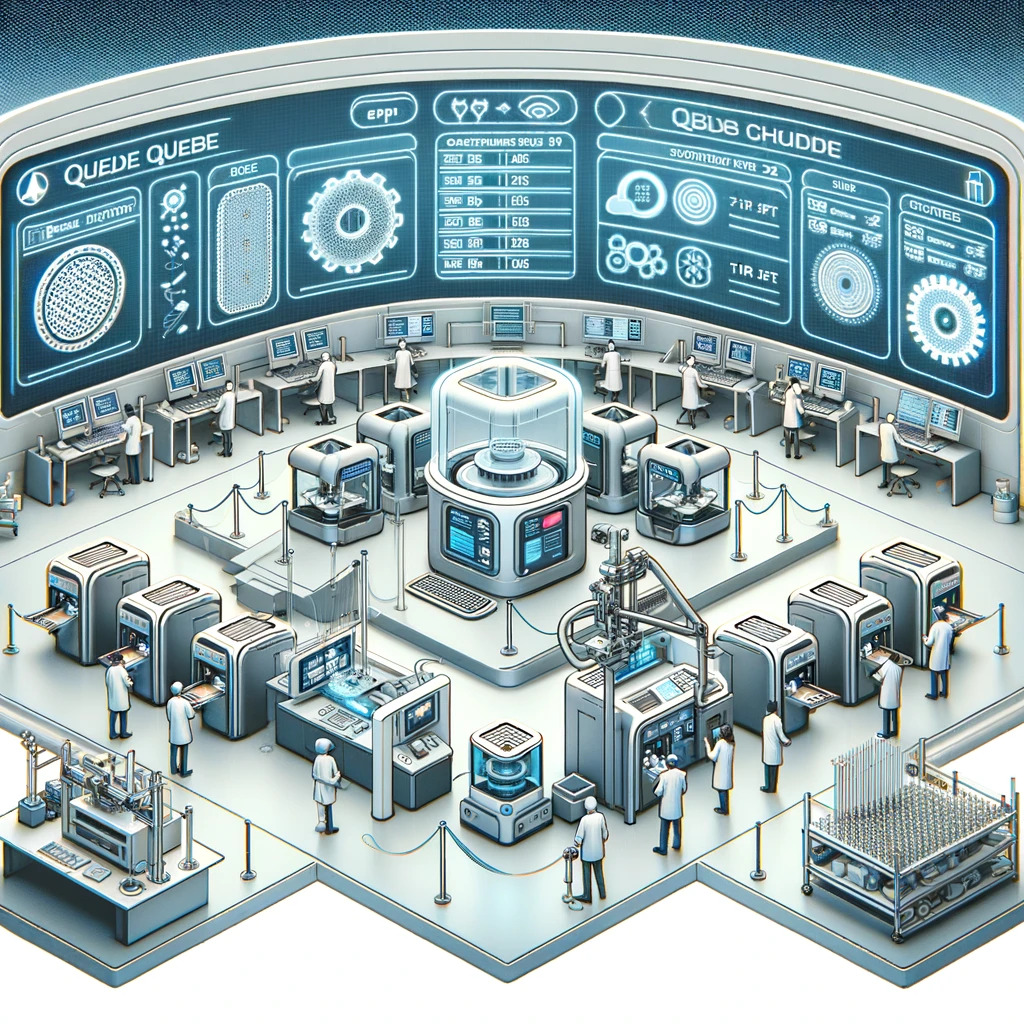



What happens when multiple print jobs compete for limited machines at the same time? Without structured control, delays increase, printers sit idle, and failed prints become more frequent. This is where queue management plays a critical role in maintaining efficiency across 3D printing operations.
As 3D printing scales across schools, labs, and enterprises, managing print jobs manually becomes unsustainable. The need for organized scheduling, prioritization, and visibility has led to the rise of dedicated queue management tools. Choosing the best 3D print queue management software depends on understanding what each solution offers and how it aligns with operational needs.
What Is 3D Print Queue Management Software?
3D print queue management software organizes and controls how print jobs are assigned, prioritized, and executed across one or multiple printers. Instead of manually tracking tasks, the software automates scheduling and ensures that each job follows a structured workflow.
Core functions include:
- Job prioritization based on urgency or availability
- Automated assignment of print jobs to available machines
- Monitoring of queue status and progress
- Reduction of idle time and scheduling conflicts
This level of control improves efficiency and ensures smoother operations, especially in high-volume environments.
Free 3D Print Queue Management Software: What You Get
Free tools often provide basic queue management capabilities suitable for smaller operations or individual users. These solutions typically include simple job scheduling and limited monitoring features.
Common benefits include:
- No upfront cost
- Basic queue organization
- Entry-level access for small-scale setups
However, free options often come with limitations. They may lack advanced scheduling, multi-printer coordination, and real-time monitoring. As operations grow, these gaps can lead to inefficiencies and increased manual intervention.
Paid 3D Print Queue Management Software: What Sets It Apart
Paid solutions are designed for scalability and operational control. They offer advanced features that support larger environments with multiple users and printers.
Key advantages include:
- Centralized management across multiple printers
- Automated job prioritization and load balancing
- Real-time monitoring and alerts
- User access control and permissions
- Integration with slicing and workflow systems
Platforms like 3DPrinterOS provide a comprehensive approach, combining queue management with broader print management capabilities. This reduces reliance on multiple tools and improves overall workflow efficiency.
Key Differences: Free vs Paid Queue Management Software
The difference between free and paid solutions lies in control, scalability, and reliability.
Free tools offer basic functionality but often require manual oversight. They are suitable for low-volume environments where complexity is limited.
Paid software delivers structured workflows, automation, and visibility. It reduces human error and supports consistent output across multiple printers. Advanced features such as analytics and integration further enhance performance.
As production demands increase, the limitations of free tools become more evident, making paid solutions a more practical choice.
How to Choose the Best 3D Print Queue Management Software
Selecting the right software requires evaluating operational needs and long-term goals. Key factors to consider include:
- Number of printers and users
- Need for automation and real-time monitoring
- Integration with existing workflows
- Scalability for future growth
- Level of control required over job scheduling
The best 3D print queue management software is one that aligns with these requirements while simplifying workflows and improving efficiency.
Free vs Paid: Which Option Delivers Better Results?
Both free and paid queue management tools serve a purpose, but their effectiveness depends on the scale and complexity of operations. Free solutions may work for basic setups, but they often fall short in environments that require consistency and control.
Paid platforms like 3DPrinterOS provide advanced features that streamline workflows, reduce errors, and improve print success rates. With centralized management and automation, they support efficient operations across multiple printers and users.
For organizations aiming to scale and maintain reliability, investing in the right queue management software is essential.
Start using 3DPrinterOS today to bring structure, efficiency, and better control to 3D printing workflows. Contact us today to know more.



.png)


