 3DPrinterOS
Scaling production for wholesale
After 25 years in telecommunications, where he helped grow a small Utah startup into a $100 million company, Chris Modesitt started a business-to-business 3D print farm. He soon found it was hard work in a competitive, price-driven market.
The business evolved into Fantasy Pets, known for its 3D-printed dragon figurines. The dragons took off on Etsy, with over 5,000 five-star reviews, and Chris's brother Ben helped push the company into wholesale with gift stores, conventions and sales agencies.
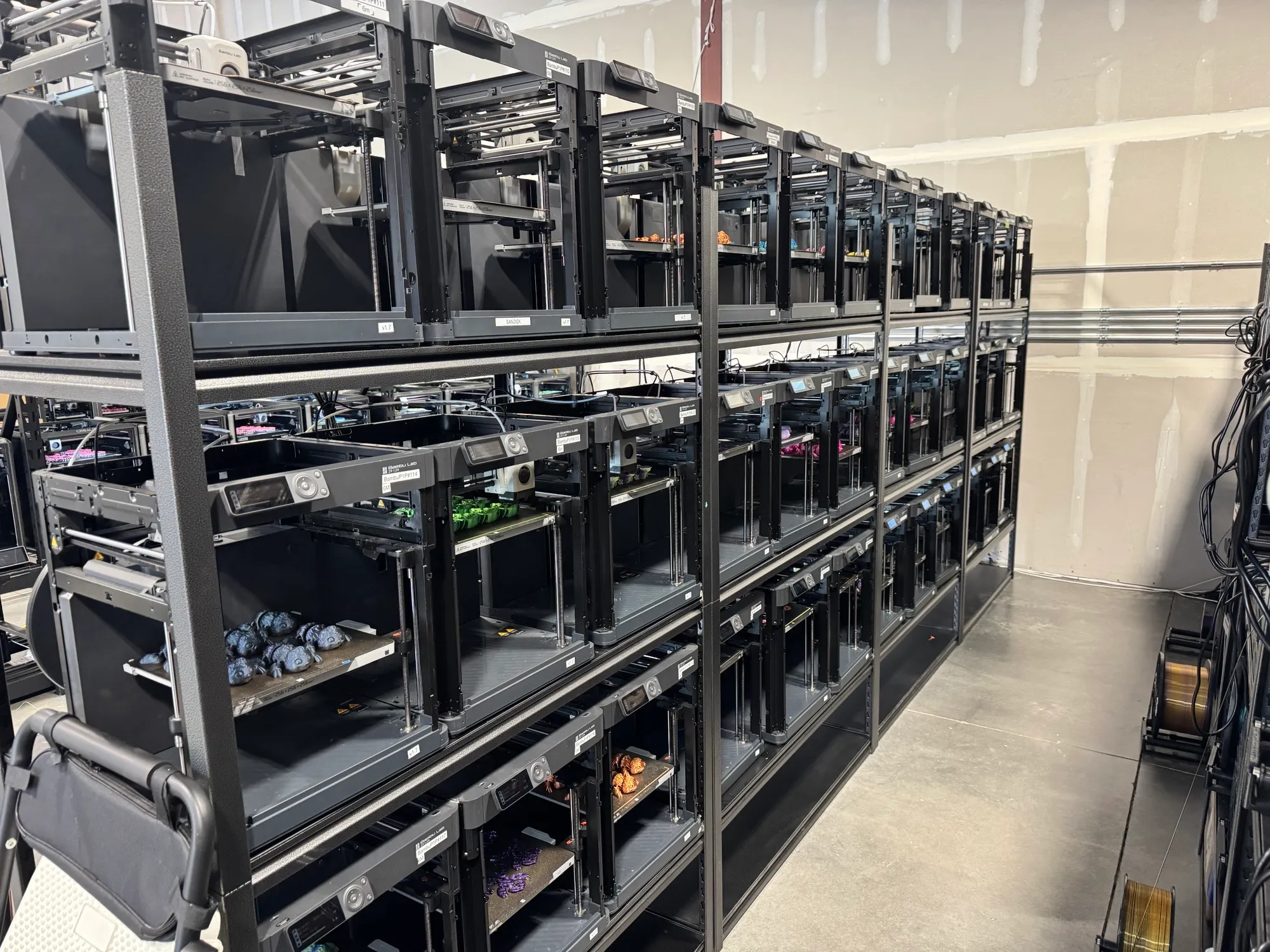
That success brought new challenges. Running over 100 printers, sometimes 24/7, meant producing at volumes far beyond what the company first imagined, and good people willing to work at night are hard to find.
One interface for 116 printers
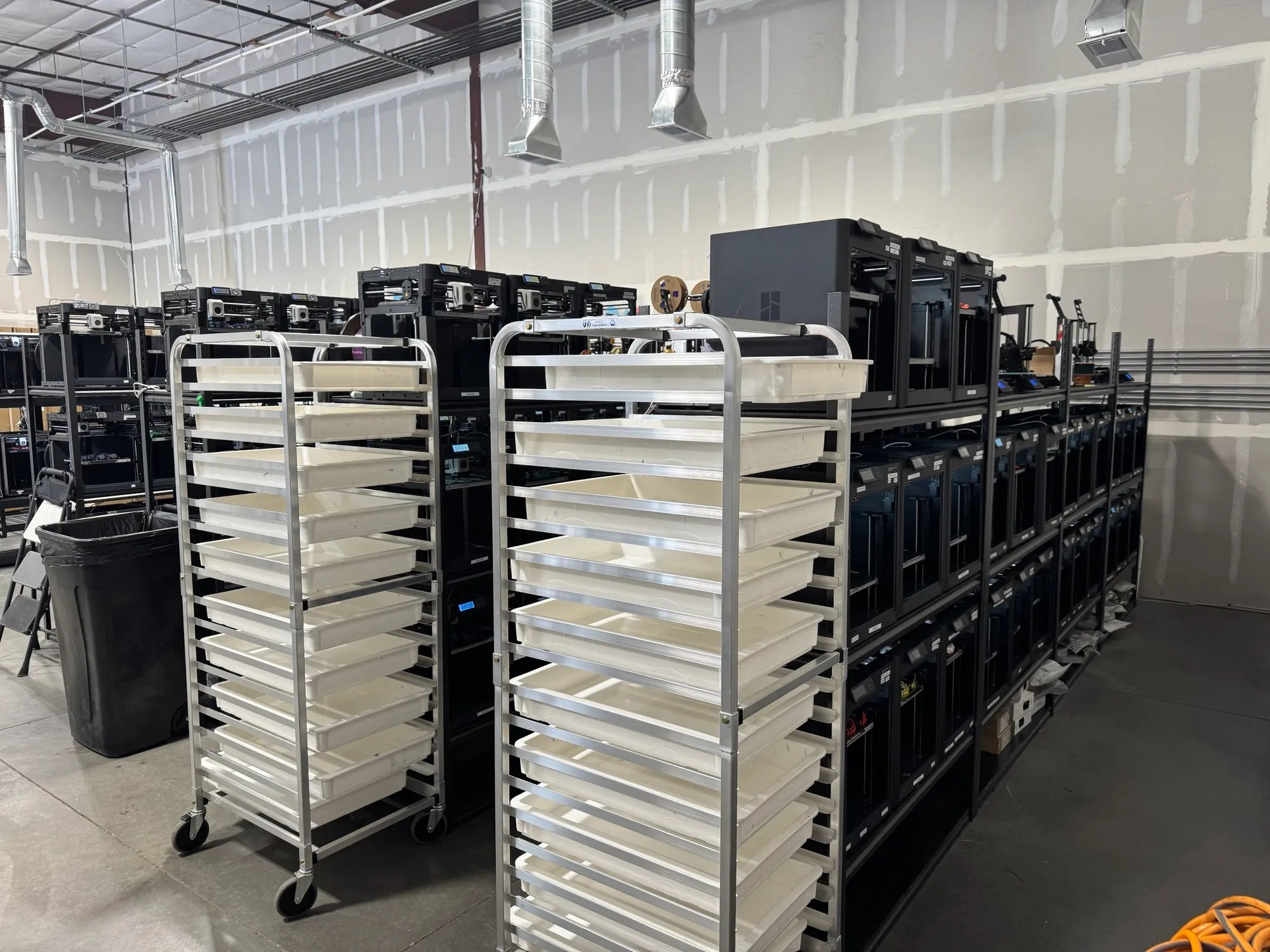
3DPrinterOS was a turning point. It lets the team manage its fleet of 116 printers from a single interface, upload designs to a centralized repository, send jobs to multiple printers at once and monitor progress in real time. They often send a print to 10 printers at a time.
Chris needed a solution where one or two skilled people could manage everything, and 3DPrinterOS worked right out of the box. Its interface, originally built for education, lets an operator get up and running after one quick lesson, while engineers can dive into every setting.
When their 802.11n Wi-Fi network began to strain under the load, Chris used his networking background to optimize traffic and prioritize printer control signals, clearing the way to scale even further.
The technical load lifted, the focus on growth
Chris says that without a doubt the operation would have needed two or three times as many employees without this automation. With the big technical hurdles solved, the team can focus on business issues and move quickly with the market.
Fantasy Pets now sells 95% of its products through its own website, keeps delivery to two or three weeks, and can introduce new designs and scale production without retooling. The team plans to grow to as many as 200 printers.